
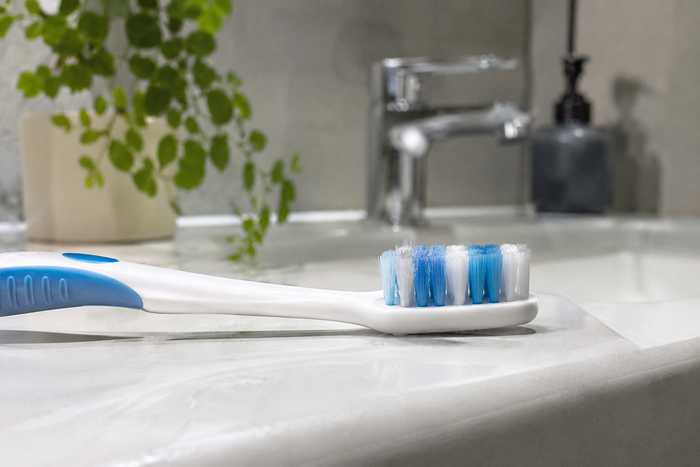
A manual toothbrush with bristles that generate an electrical charge as they bend has reduced plaque, gingival inflammation and bleeding in a three-month clinical evaluation, according to researchers at Peking University Hospital of Stomatology.
The study, led by Yanhui Lu and published in Science Advances, notes that the toothbrush has had no substantive improvement beyond its mechanical function in about 1,118 years. Conventional brushing removes plaque physically but does not leave a lasting antibacterial effect, allowing bacteria to recolonise the tooth surface.
The new brush uses bristles made from polyvinylidene fluoride (PVDF), a piezoelectric polymer. When the bristles flex during brushing they generate reactive oxygen species that damage bacterial membranes, while a surface charge on the bristles reduces bacterial adhesion. No battery is needed.
Clinical evaluation
Of 135 people screened, 115 were enrolled and assigned brushes with PVDF bristles in one of two diameters or conventional nylon bristles. All received the same brushing instructions and were examined at baseline, one month and three months.
Plaque, gingival inflammation and bleeding fell significantly in both PVDF groups over the three months. Most of the plaque improvement came in the first month, while gingival inflammation and bleeding improved more gradually.
Gene sequencing of plaque samples showed the relative abundance of caries-associated Streptococcus mutans and Actinomycetes and periodontitis-associated Porphyromonas gingivalis and Prevotella intermedia declined progressively with longer use of the self-charging brushes.
The comparison was made against manual nylon brushes only. The authors say the work highlights the potential of self-charged materials in oral healthcare.
Read the original study in Science Advances.
Read the full study